
This commitment to growth can enhance the educational experiences they provide. Supporting Teacher Development: Educators can seek out professional development opportunities related to outdoor education and consider pursuing Kids on the Yard certification themselves.
A one-size-fits-all approach may not be effective, so it’s essential to find a program that can adapt to your child’s specific learning style and goals. Ask About Customization: Look for programs that offer customized learning plans tailored to your child’s individual needs.
Summer is an excellent time for children to socialize and build friendships. Collaborative learning experiences can enhance social skills and foster teamwork. Encourage your child to invite friends over for group activities or attend local summer camps.
This comprehensive approach prepares children for future challenges in a balanced manner. For instance, children engage in problem-solving tasks that challenge their cognitive abilities while participating in group games that enhance their social skills. The program is designed to support holistic development by offering activities that cater to all these areas. The emphasis on physical activity also ensures that children are developing their bodies alongside their minds. Kids on the Yard recognizes that children develop in various domains—cognitive, emotional, social, and physical.
Creating a summer routine can help your child stay engaged and focused. A structured schedule can provide a sense of security and help children develop time management skills. Set aside specific times for learning activities, play, and relaxation.
It is developed collaboratively by educators, parents, and specialists. Individualized Education Plans (IEPs): An IEP is a legally binding document that outlines the specific educational goals and services for a child with a disability. The IEP ensures that the child receives the accommodations and modifications they need to succeed in the classroom.
Through group activities, games, and collaborative projects, children learn essential social skills such as teamwork, communication, and conflict resolution. Kids on the Yard provides a unique opportunity for children to interact with their peers in a natural setting. In contrast to structured indoor environments, outdoor settings encourage spontaneous play and creativity, allowing children to forge connections organically. These interactions help children develop empathy and build friendships, which are vital for their emotional and social well-being.
When children work together towards a common goal, they build camaraderie and trust. Success in these group settings reinforces their sense of belonging and boosts their self-esteem. Group activities, such as team sports or cooperative games, can further enhance social skills.
Consider Logistics: Think about the logistics of the tutoring program, such as location, scheduling, and cost. Choose a program that is convenient for your family and fits within your budget. If you have any inquiries pertaining to where and how to make use of koty Phonics program from learn to read to read to learn near overland park ks state, you could call us at our web-site. Some programs may offer sliding scale fees or scholarships for families in need.
Engage with them in activities, ask questions, and show interest in what they are learning. Your enthusiasm can inspire them to explore new topics and develop a love for learning. Your involvement in your child’s summer learning journey is crucial.
The yard, whether it be a backyard, a park, or a school playground, serves as a vital space for children to engage in physical activities, socialize with peers, and develop a sense of confidence. This article explores how outdoor environments contribute to confidence building in children, the importance of unstructured play, and practical ways to encourage kids to embrace their outdoor surroundings. In today’s fast-paced digital world, children often find themselves disconnected from nature and the essential life skills that come with outdoor play.
Independence also extends to problem-solving. When children face challenges, resist the urge to intervene immediately. Instead, guide them to think critically and come up with solutions on their own. This approach not only boosts their confidence but also equips them with valuable life skills.
Create a Positive Learning Environment: Encourage a positive attitude toward learning by creating a supportive and distraction-free environment for tutoring sessions. Ensure that your child has the necessary materials and resources to succeed.
Nature Scavenger Hunts: Organize a scavenger hunt in your backyard or local park. Create a list of items for your child to find, such as specific leaves, rocks, or flowers. This activity promotes observation skills and encourages curiosity about the natural world.
Awareness Campaigns: Schools can organize events to raise awareness about disabilities and promote acceptance. Activities such as disability awareness days, guest speakers, and workshops can help dispel myths and foster empathy among students.
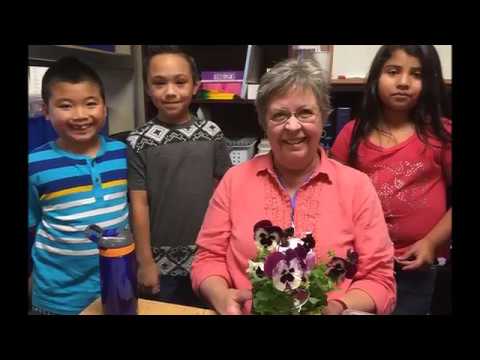 While summer is often seen as a time for relaxation and fun, it can also be an excellent opportunity for academic growth through summer tutoring programs. These programs provide students with the chance to reinforce their learning, explore new subjects, and prepare for the upcoming school year. In this article, we will explore the various benefits of summer tutoring programs, what to look for when choosing one, and how to maximize the experience for your child. As summer approaches, many parents and students start thinking about how to make the most of the long break from school.